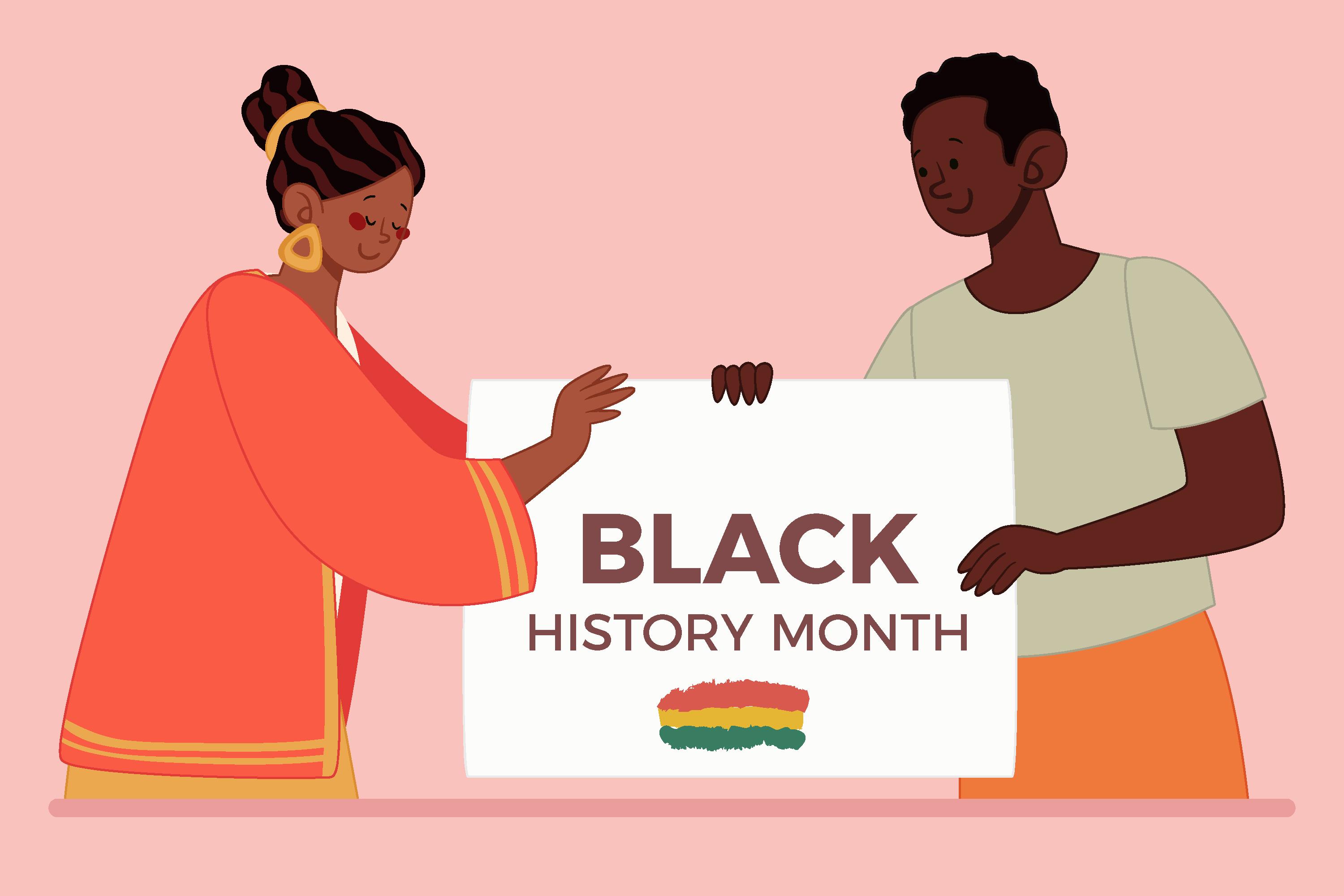
 Every February, Black History Month invites us to celebrate resilience, leadership, and lasting impact. This year’s theme, “A Century of Black History Commemorations,” is a powerful reminder that progress is driven by people who turn barriers into breakthroughs. In honor of that legacy, we’re spotlighting Black leaders who are deaf or hard of hearing and who have transformed advocacy, representation, and opportunity nationwide. Their stories challenge us to build a more inclusive future for everyone.
Charles “Chuck” Williams
Born in 1931, Williams grew up facing both racial inequality and limited resources for Black children with hearing loss. After a sixth-grade test revealed profound deafness, he drew on his father’s work in Ohio’s court system and his education at the Ohio School for the Deaf to become a vital liaison connecting deaf individuals, attorneys, and judges, transforming personal barriers into a lifelong mission for justice.
Williams later sued the federal government for failing to provide sign language interpreters at the National Democratic and Republican Conventions. While in Washington, D.C., he collaborated with fellow advocates to co-found National Black Deaf Advocates (NBDA) in 1981. Today, NBDA includes dozens of chapters nationwide and remains a leading voice for equity and representation in the Black Deaf community.
After his 90th birthday, Williams’ family established the Charles V. Williams Scholarship Fund supporting Black deaf students attending Gallaudet University.
Claudia Gordon
Claudia Gordon is a trailblazing attorney and the first Black deaf female lawyer in the United States. After losing her hearing as a child in Jamaica, she pursued higher education at Gallaudet University and later earned her law degree from American University. Gordon has held leadership roles within the U.S. federal government, including positions at the White House and the Department of Labor, where she has worked to advance disability rights, equitable policy, and accessible employment opportunities. Her career represents a powerful intersection of racial justice, disability advocacy, and public service.
Derrick Coleman
Derrick Coleman made history as the first legally deaf offensive player in the National Football League (NFL). Diagnosed with profound hearing loss at age three, he relied on hearing aids and lip-reading throughout his athletic career. Coleman played fullback for the Seattle Seahawks and was part of the championship roster that won Super Bowl XLVIII in 2014.
Beyond football, Coleman has become a visible role model for people with hearing loss. He founded the charity Derrick L Coleman Jr No Excuse Foundation Inc that promotes perseverance, confidence, and inclusion in sports and education for people of all ages.
Tamika Catchings
Tamika Catchings, a Hall of Fame basketball legend and Olympic gold medalist, has worn hearing aids since childhood. Throughout her career with the Indiana Fever, she became one of the most decorated players in women’s basketball history. Off the court, Catchings founded the Catch the Stars Foundation, supporting youth development, literacy, and leadership programs that include accessibility and inclusion initiatives. Her openness about hearing loss has helped normalize assistive technology in athletics and empowered young people to pursue excellence without limitation.
Together, these leaders remind us that progress happens when advocacy meets action and representation opens doors for others to follow. Their achievements across law, sports, and public service demonstrate that hearing loss is not a limitation. As we honor Black History Month, may their stories inspire continued commitment to accessibility, equity, and opportunity for deaf and hard of hearing individuals everywhere.
Sometimes the best way to start making waves is by advocating for yourself. If you are experiencing hearing difficulty, schedule a consultation today with a licensed hearing care professional and get reconnected to the world and those around you.

The Hearing Industries Association is the trusted voice on hearing health care for product innovation, public policy, patient safety and education.


