When most people think about hearing loss, they picture being exposed to loud concerts, roaring motorcycles, or noisy construction sites. Nature usually feels peaceful by comparison. But believe it or not, some of the loudest sounds you'll ever hear can happen outdoors. From booming thunder to the powerful call of certain animals, nature occasionally produces sounds that are surprisingly intense. While these moments are usually brief, being very close to an extremely loud natural sound can put your hearing at risk.
Let's explore some of nature's loudest sounds and how risky these actually are to your hearing health. Comment on the blog post if you can think of other loud sounds in nature!
1. Thunder Can Be Surprisingly Loud
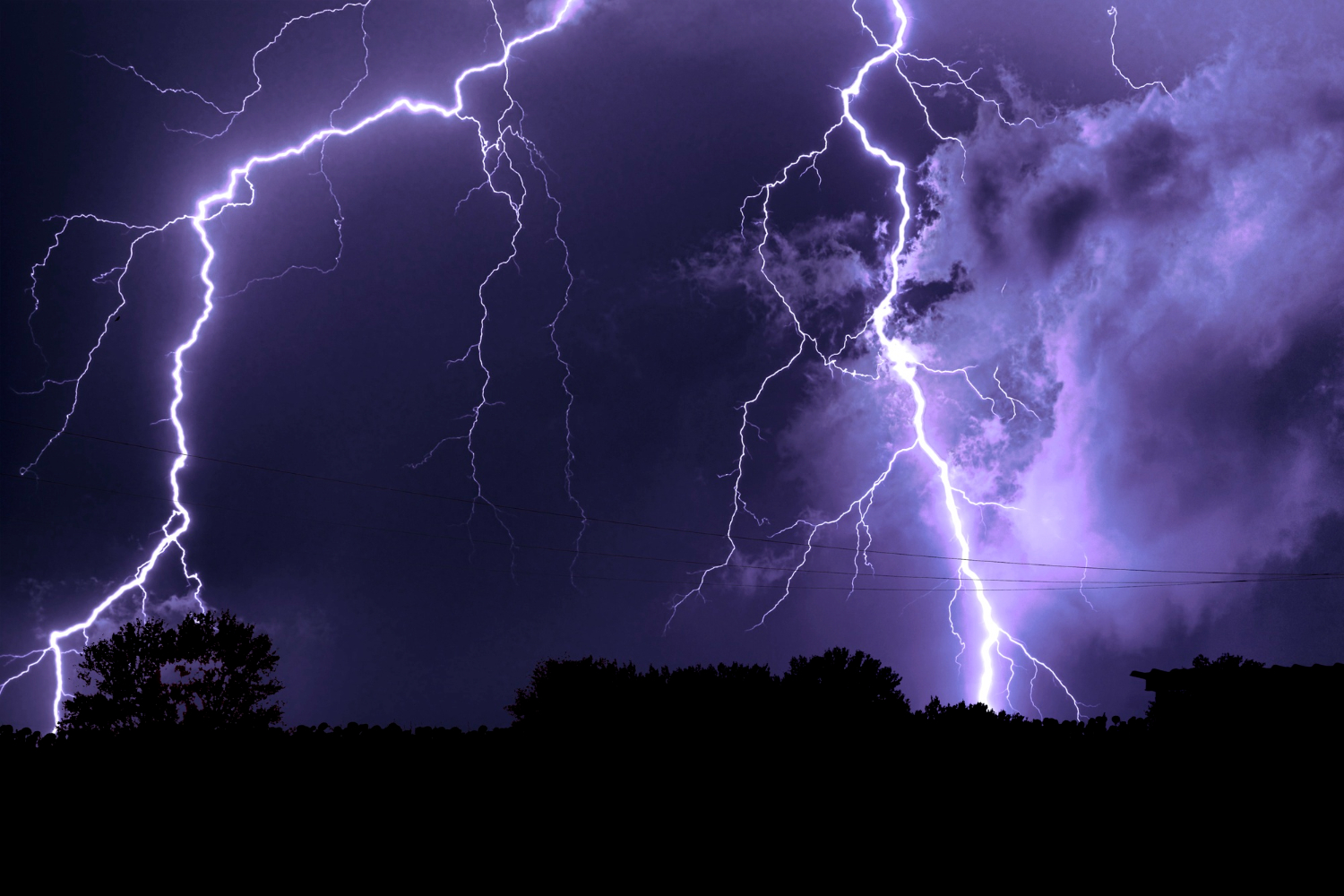 Few sounds are as dramatic as a nearby lightning strike.
A clap of thunder from lightning that strikes close to you can exceed 120 decibels (dB)—about as loud as a jet taking off from a distance. At that level, the sound can be startling and, in rare situations, may even contribute to temporary or permanent hearing damage if you're extremely close to the strike.
Fortunately, the safest thing to do during a thunderstorm is also the best thing for your hearing: head indoors.
2. Cicadas: Tiny Bugs, Big Sound
If you've ever experienced a cicada emergence, you know how loud these insects can be.
Large groups of cicadas can create a chorus approaching 90–100 dB, roughly similar to a lawn mower. While you're unlikely to damage your hearing by simply walking through your neighborhood, spending extended periods directly under dense swarms may expose you to higher sound levels than you realize.
The good news? The insects may be tiny, but keeping a little distance goes a long way for your hearing and your sanity.
3. Elk and Other Wildlife
Some of North America's largest animals are also surprisingly vocal.
During mating season, elk produce a high-pitched bugling call that can reach around 90 dB when heard nearby. Other animals, including certain frogs, wolves, and sea lions, can also produce impressively loud calls.
Wildlife sounds become much quieter as you move away, so admiring animals from a safe distance protects both you and your hearing.
4. Waterfalls
Many people visit waterfalls for peace and relaxation, but the largest waterfalls generate enormous amounts of noise.
Standing close to a large waterfall like Niagara Falls can expose you to sound levels between 85 and 95 dB – this is around the volume of a lion’s roar! Most visits and scenic boat rides are short enough that they aren't a concern, but photographers, park staff, or anyone spending hours nearby may want to consider hearing protection.
5. Avalanches and Rockfalls
Fortunately, most people will never experience an avalanche or major rockfall up close.
If they do occur nearby, however, these events can produce extremely loud, explosive sounds capable of exceeding 120 dB, similar to a jet engine. While the immediate physical danger is far greater than the noise itself, the sound can also affect hearing.
And no, contrary to movie myths, a human yelling or other human-made noises cannot trigger an avalanche, as noises are not powerful enough to cause physical movement of the snow’s foundation.
So...Should You Worry About Hearing Loss in the Great Outdoors?
Not really.
Nature is still one of the quietest places you can spend time and offers many health benefits. Most birdsong, flowing streams, rustling leaves, and gentle rainfall are far below levels that could harm your hearing. The sounds that deserve attention are very rare exceptions and probably won’t be experienced by most.
Simple Ways to Protect Your Hearing Outdoors
Protecting your hearing doesn't have to be complicated.
The Bottom Line
Nature has a soundtrack and most of it is wonderfully gentle on your ears. Still, it's fascinating to know that some of the outdoors' most dramatic moments, from booming thunder to roaring waterfalls and singing cicadas, can occasionally rival the volume of many man-made sounds. A little awareness, a little distance, and smart hearing habits can help you continue enjoying everything nature has to offer for years to come.
If you are having difficulty hearing or would like to discuss hearing protection that would be most suitable for your needs, check in with a local licensed hearing care professional.

The Hearing Industries Association is the trusted voice on hearing health care for product innovation, public policy, patient safety and education.


